Founder Story
From Survival To System Change
Why This Story Matters Now
David Lennard built CareHub out of firsthand exposure to what happens when a patient falls through the cracks. During more than six years with multiple myeloma, he dealt with lost records, symptoms that were underweighted, treatment side effects that ran too long, and the kind of administrative silence that can make a very sick person feel invisible.
Those failures did not happen from a distance. They happened while he was moving through housing collapse, more than 35 relocations, roughly two years of homelessness, unstable recovery, and the daily work of staying alive. CareHub grew from that stretch of life: a practical attempt to close the care gap for people who do not have money, energy, or backup when the system stops working.
Core Line
"I lived the care gap. I nearly died from it. CareHub exists so others don't."
Why It Carries Weight
People respond to David's story because he speaks as both patient and operator. He has lived the breakdown, survived it, and spent years turning those lessons into product priorities instead of leaving them as private grief.
Inside The Fight
David's first symptoms did not look dramatic. Dark patches appeared on his legs. Fatty deposits formed around his eyes. Exhaustion crept in. Bone pain arrived disguised as something ordinary. The path to diagnosis was slow, confusing, and easy for the system to underread until MGUS was finally detected and the deeper threat of multiple myeloma came into view.
What followed was not a clean treatment arc. Vertebrae, ribs, and sternum fractured. Movement collapsed. Basic physical tasks had to be relearned. Weekly travel for care, dependence on others, unstable logistics, and the emotional strain on everyone involved turned illness into a full-life crisis rather than a medical episode. Nature, meditation, disciplined routine, creative practice, and Rupert's steady presence became part of how he stayed mentally intact.
- Diagnosis uncertainty turned everyday symptoms into fear and guesswork.
- Months of paralysis and rehabilitation made ordinary movement a daily battle.
- Isolation, transport friction, and fragmented support consumed time and energy that should have gone into healing.
- Purpose, nature, and disciplined mental resilience became survival tools, not lifestyle extras.
What He Took From It
One lesson was brutally simple: persistent fatigue, unexplained weight change, bone pain, shortness of breath, or sharp physical pain should not be normalized away. If something stays wrong, get blood work done and keep pushing for answers.
Another was that patients and caregivers need support long before they are in crisis. Clear expectations, mental-health support, and daily emotional decompression are not optional extras when every new symptom, scan, or delay creates another stress event.
What Changed Everything
Purpose did not arrive after the crisis. It helped keep David alive inside it. CareHub grew out of that discipline: one way to give structure, usefulness, and direction to years that could easily have ended in silence.
Interview Highlights
First Symptoms And Diagnosis
Andreia, I'm delighted to be offered this opportunity, and hope other warriors may find my experiences and attitude useful in forging their way forward through uncertainty. Increasing awareness and identifying early symptoms can save lives.
My journey to diagnosis was a long and tedious one. In 2015 I noticed a couple of areas on my legs had developed darker patches. They were about 2" in diameter, and barely noticeable. A month or two later some fatty deposits appeared around my eyes, a condition called Xanthelasmata. Xanthelasmas are deposits of excess cholesterol.
I couldn't understand this at all. I was fit, hadn't eaten processed foods in 15 years, and had a healthful diet. I visited my Primary Care Physician, and after a series of tests he confirmed I had hypercholesterolemia. The rest of my blood-work was perfect. This explained the fatty deposits, but not the cause of a breakdown in my metabolism. He had no answer for the dark patches on my skin. "Part of getting old', he said. I was beginning to feel exhausted around this time too.
My morning hikes tend to be around 3-4 miles on moderate to advanced trails, and my calves began aching after about a mile into my trek, which was unusual. I didn't realize this was bone pain at the time.
My mother had died from mesothelioma, and I randomly decided to visit her oncologist to see if he had any answers. Sure enough he detected MGUS, a precursor to Multiple Myeloma, a terminal blood cancer caused by a genetic defect that breaks down bone.
I was 57 at the time, and was told that MM may or may not develop, and it was impossible to determine the outcome. This terrified me. The MGUS diagnosis sent me into a spin for a few months, but it did explain the symptoms I was experiencing.
The uncertainty of not knowing what was wrong with me had been replaced by the uncertainty of the MGUS progression. There was no question I'd reached a pivotal point in my life. Managing my mental health was a challenge, and still is at times. Connecting with nature, daily meditations, my photography and guitar playing all contributed to keeping a level head and embracing acceptance. Then there's my 14 year old dog Rupert. He brings joy to everyone, which pleases me, and we have a beautiful relationship.
Daily Impact And Mental Resilience
Cancer reshaped every part of daily life.
I'd moved to Sedona from Scottsdale (100 miles away) only a few weeks before I was hospitalized for the first time. Having sustained vertebral, rib, and sternum fractures, I couldn't move, and had no friends around to look in on me. I was effectively paralyzed.
Fortunately, a dear friend from Scottsdale came to visit once a week for about six months. She drove 300 miles to take me to treatment, and stayed for a couple of days to care for me. Eventually I was able to open the car door on my own and tackle the 9 hour round trip myself. The trip meant losing a day per week, and the companionship. The impact cancer has on the routine and mental health of caregivers and loved ones is easily overlooked. This woman gave up her life for me.
I had an active lifestyle before hospitalization and was in good shape, but after months of lying in bed in pain and with little appetite, I'd lost all my muscle mass and was down to 100 lbs. I couldn't raise a glass of water to my mouth for weeks, and would often have to urinate in the bed if I couldn't reach the bedpan in time. All of the basic motor skills that are second nature to us all, had become Herculean tasks, overnight.
My ribs would occasionally fracture, and even breathing was hard. I'd moved from 1,000ft elevation to 4,400ft, and suffered from pneumonia twice. One night I suddenly awoke drowning in the fluid in my lungs. That was a very scary moment and I didn't think I'd make it. I had to learn how to live by taking half breaths for a long time, and work out how best brace myself for a sneeze or a cough until my ribs and spine had fully healed.
Learning how to walk, use my hands, wash my hair, breathe, etc, are things we take for granted. When all of these skills disappear at once, and the pain in re-learning them unbearable, the impact on your daily life is enormous, both mentally and physically.
After my friend returned to her own life, I found a nurse to visit me five days a week. She'd cook, launder the sheets, hose me down in the shower, and give me my medications. It was a very humiliating experience. I was also paying out-of-pocket, and eventually had to cut it back to three days a week as the money started to run low. The days she didn't visit were hell. I'd lie in bed with nobody to talk to, and nothing to look at other than a fence outside the patio door, and an array of medications.
At my first Physical Therapy appointment, the practitioner told me I may not be able to lift my arms again, and the following day the Covid lockdowns began, leaving me to work out rehab on my own. I referred to YouTube videos for patients with spinal injuries, and followed an exercise regimen prescribed by the physical therapist. I had to learn how to get out of bed on my own, walk and use my arms without moving my spine.
The weekly drive down to Scottsdale for chemo was exhausting. Every bump in the road vibrated through my spine, and I'd often need to pull over due to hand and leg cramps that made it Impossible to drive. Tiger Balm and Gatorade were always on hand, but it could take half an hour for the cramps to settle. I made good use of the journey, though. On the way home I'd pull off the Interstate, drive a couple of miles off road, explore a little and take in a short meditation. I'd shake off a full day of sitting down and completely clear my head of any stress brought on by the drive. After about a year of this, I managed to get treatment moved closer to home, which gave me a new lease on life. Even though the new infusion center was only 20 minutes away, I would still stop on my way home for a hike and to decompress.
Coming down with Multiple Myeloma was the beginning of over four years of isolation. Isolation has been as punishing emotionally as the cancer has been physically. There's been no social life, intimacy or much laughter all this time, and there's always a feeling of being alone and lonely.
Shortly before I was diagnosed with MGUS, I'd found purpose. This is something most wish for but it eludes many. My purpose made me fight back when I saw the lights in hospital one day, and has kept me focussed and busy this whole time. Purpose gives me the drive to tackle any challenge that comes my way. Courage doesn't play a role at all.
Part of my purpose is to influence others to connect with nature for it's proven healing properties. My photography is a vehicle to promote those benefits, and I'm living proof of how getting out on the land has been a significant aid in my physical recovery, and mental health management.
Treatment Reality
My treatment plan has been relatively tame. There's a weekly infusion of Velcade by subcutaneous injection in the abdomen. It burns a little, but it's over and done with in a couple of minutes. Sometimes I can experience bruising at the injection site, which can be painful for a few days. The treatment also includes a number or oral medications; Dexamethasone, a steroid, Acyclovir to control infection, Duloxetine which helps with chemotherapy-induced peripheral neuropathy, and low dose aspirin to avoid blood clotting. The Dex can keep me awake for a few days, and every couple of weeks I can get bad bouts of diarrhea. Overall, my GI function has been good. I've never taken so many medications before, and it can get a bit depressing.
Pharmaceuticals are only part of my treatment plan. Proper hydration is key to flushing as many toxins from the liver and kidneys as possible. Up to a gallon of water a day can be tough going sometimes, and there are days when I don't manage this. Diet and exercise are also key. My diet has been clean for 20 years or so - no processed foods, organic wherever possible, very little dairy, and fruit and vegetable smoothies. After my first hospitalization, and for several months thereafter, I barely had any appetite. Smoothies were all I could stomach, other than some scrambled eggs 2-3 times a week. The smoothies are packed with nutrients and topped up with coconut water have provided the best possible source of natural treatment, along with occasional pre-biotics if my stomach is unsettled.
Since selling my vehicle, the biggest hassle is getting to and from the lab for my weekly blood draw, and to chemo. Fortunately, medical transport is covered by my insurance, however I probably spend 3-4 hours a week making the bookings, often enough the driver doesn't show up, and there's lots of hanging around in unmasked environments. This creates unnecessary stress on top of the unpleasantness of the treatment. I lose 2 days a week on average, whereas before, I'd lose only around half a day to the process.
Housing Collapse, Homelessness, And Ceasing Treatment
Andreia, there have been countless tough moments, or storylines. Some of these times were so extreme, the initial diagnosis was a walk in the park to deal with by comparison.
Watch: David's video about homelessness and resilience
Homelessness: In October 2022 I ran out of money, and was evicted with five days notice from the property I'd been renting in Sedona. I had a house full of furniture, an office setup, camera and drone equipment, a car, a dog, but no resources to deal with any of it. I sold some equipment at dirt cheap prices as soon as I got the eviction notice to cover the cost of a moving company and a local storage unit for a month. I slept in my car in the desert that night, wondering what to do next.
The landlord at an Airbnb I'd been staying at paid for me to get a ride to Sedona, and gave me some cash for couple nights' stay in a pet friendly hotel. The first night I planned to snuggle with Rupert, and my friends were to collect him the following morning. The second day I'd tidy up any loose ends, write to a few people, say farewell and offer gratitude to my friends before checking out of the hotel with nowhere to go, other than the wilderness or a homeless shelter for drug addicts and alcoholics. I had chosen the wilderness. The place where I always find peace.
I was an hour from checking out of the hotel when I started to receive a flood of wonderful messages from friends on social media, and many came to my aid financially in that moment of desperation. This got me off the street, but I was pretty beaten up at this point, and haven't fully recovered.
Ceasing Treatment: The toughest moment of all came a few weeks ago. My oncology social worker and I had spent over a year trying to find a housing solution without success. The shortage of resources for people that find themselves in my position is staggering.
I discovered in February 2024, that a toothache and facial neuropathy I'd been experiencing for over a year, was in fact jawbone necrosis - likely caused by infusions of Zometa, a bone strengthening drug (believe it or not). The oral surgeon said the risk of a jawbone fracture was very high, and could easily fracture in my sleep. Surgery to remove the dead bone, and insert mesh was critical and urgent. This new layer of stress wasn't something I expected, but it did explain the intense pain.
Since January, I'd managed to get some state funds as well as a few emergency funding checks which allowed me to keep a roof over my head, but on March 11th those funds ran out and I moved into a tool shed at the property I'd been renting. There's no running water or bathroom facilities, sleeping on the floor is very uncomfortable, and I get weaker by the day through insufficient sleep and nutrition. Surgery is not a viable option under these conditions.
My attempt at appealing to the Department of Economic Security for three months rental assistance under an emergency fund was denied on April 8th. Had I been successful, it would have just about covered the period leading up to surgery and for the duration of the recovery. This period of stability would have also given me an opportunity to work on income streams outside the failing NFT space, where the majority of my efforts have gone these last three years.
I've always been a pragmatist, and faced with all these challenges, I simply had to accept that I'd finally hit a wall too high to climb over. Unlike the experience in December, where the situation was in control of me, this time I've been able to prepare myself emotionally for any eventuality, and plan accordingly.
On April 10th I relented, and stopped my chemo treatments. On April 12th, I met with my Palliative Care physician, and asked him to make a referral to hospice. There is one state program that I have applied for which offers nursing home accommodation until such time as a patient is 2-3 weeks away from death, after which the patient is transferred to a hospice proper. The application process takes 4-6 weeks, and there are two considerations; the patient's will and condition. The sicker I am at the time of the face to face interview for nursing home accommodation, the better my chances of qualifying for the program. No pain, no gain, I suppose.
As of today, I'm hoping to raise enough funds to cover accommodation for an eight week period, while making myself as sick as possible during the process. There is no Plan B at this point. Although all of this is high stress, I feel an immense sense of relief having made a sound decision based on all the information.
Myeloma Realities And Misconceptions
Myeloma is rare enough for many not to have heard of it. I hadn't. It is a terminal disease with life expectancy after diagnosis of around five years. If treated properly, patients can live relatively normal, relatively pain free lives. As I mentioned before, diet and exercise are key, and so if you take an integrated approach to managing your cancer, you can live well beyond the average.
As with any cancer management, mental health is very much a component of the treatment. Grief and fear hit you in the face all at once, and it can be difficult to function or think clearly for weeks, even months. For the first couple of weeks, I lay in bed and cried myself to sleep. Then one day I started focussing on acceptance. Once I had established that, everything became much easier. I could begin thinking about rebuilding my body, looking beyond my bedridden state, and defying the average.
The internet and Web 3 allows us to educate others for free, and globally. I've recorded a number of short films myself, where I talk about a particular crisis, and how I find peace and balance. Using Discord, for example, as a platform to provide a qualified group of people a number of support services, including patient experiences by cancer type, is something I'm looking forward to working on in the weeks ahead.
Advice For Patients And Caregivers
This is an excellent question. The needs of the patient and caregiver are quite different. Neither is prepared for cancer's arrival, and they may not possess the necessary coping skills.
When you're fighting for your life, there's no time to mince your words, but opiates can make it difficult to think clearly at times, and they can cause bouts of anger. Not everyone's tolerance for "cancer talk" is the same, and it's important to consider the impact your words may have on others. Especially your caregiver.
Patients and family caregivers undergo anxiety and grief together, but from different places. I think it's important for both parties to seek mental health counseling early on in the cancer journey. There will always be tough moments, but by establishing boundaries and expectations early, the relationship can be protected. Establishing a "safe word" is a really good idea.
Early Detection And Better Health Habits
There are some boilerplate symptoms common to all of us. Shortness of breath, weight loss, what may feel like aching muscles, excessive fatigue, or sharp bone pain are all strong indicators. You may not necessarily experience the onset of all of these symptoms at once, but if any of these things persist for more than a week or so, I would go straight to your primary care physician and ask for some blood tests to be run.
Poor healthcare habits don't bring on this sort of cancer as it stems from a genetic defect; however, having a clean, well-balanced diet, combined with a regular exercise regimen, will give you a fighting chance of extending your life beyond the average as a Myeloma patient, as it would for any other cancer type.
Sadly, the "American Diet" of fast and processed foods has become a global staple. Along with it, high levels of childhood obesity and type II diabetes, which can lead to cancer. I think one way we can help reduce these rates is by introducing food education in schools, but transferring this to the home kitchen is challenging for lower-income families, particularly time-poor single parents.
Community Awareness And Collective Impact
Thank you. As an individual, I believe it may have an impact, although it's challenging to gauge the extent of it. Some individuals have publicly stated that my cancer journey has transformed their lives and provided them with a sense of purpose, which has been incredibly humbling. However, striking the right balance between sharing aesthetically pleasing content and discussing a cancer narrative is complex. Similar to real-life interactions, many individuals tend to shy away from the topic due to its distressing nature.
I am of the opinion that a more effective approach to raising awareness and providing support to both warriors and caregivers involves creating a centralized platform for all cancer-related resources. This platform could resemble what you've already established with the Tutti Frutti Women initiative, with additional features such as an anonymous chat room for sharing experiences and a bulletin board categorized by cancer type, of which there are 200. Developing a marketing strategy that is engaging or incentivizing in some way could help attract individuals to the platform. It would be beneficial to conduct some testing to determine the most effective approach.
I strongly believe in the importance of communities collaborating and thinking outside the box. Engaging with industry groups, unions, hobbyist communities, and other organizations could provide exposure to potentially millions of individuals.
Closing Message
Andreia, firstly, I will not be alone in thanking you for everything you're doing to increase awareness and support for the cancer community. The passion, energy, and commitment you're putting into the Tutti Frutti initiative are evident to everyone who comes across you, and I'm excited for the future of the venture. Potentially, hundreds of thousands of lives will be saved as Tutti Frutti continues to grow. Power to you!
In parting, I have a personal message to other warriors; whether or not you have someone by your side on your cancer journey, there will be times when you'll feel alone and scared. Every new symptom, not-so-great blood test, bad reaction to a drug, or unsettling oncologist visit are all high-stress moments your brain needs to process. Try to find some time away from the noise on a daily basis to help bring you into balance. Meditation, getting close to nature, practicing yoga, or playing an instrument are all good methods for relaxing the mind.
If you're bedridden and have smartphone or TV access, spend an hour a day watching nature documentaries or movies. It doesn't make the reality of what's going on go away, but it will help bring you calm.
At times, you may get angry and take it out on a family caregiver. Do your best to remember that they're not trained in this, and their stress levels skyrocket when they're with you. Apologize when necessary and let them know how important a role they play in your life.
Some of your friends may disappear. It's heartbreaking when that happens, but not everyone can cope with cancer and death stuff, and it's important to recognize that. Sometimes, those who say they can handle authentic conversations often can't when it comes down to it. It's important to recognize that, too. Otherwise, you'll go bananas.
Having almost died at the beginning of my cancer journey, I can tell you there's nothing to fear. Much love to you all.
Support David Directly
If you want to support David while he continues building CareHub, use the verified channels below.
Contributions help cover living stability, treatment pressure, and the practical costs of continuing the work.
Use only the official links and wallet addresses listed here.
BTC
333EHrn9stTF6K9wfHXsQxoiTbSx7F1TEc
ETH
0xA73473137f0A40f1B90280e30999b13B7A460C66
USDC (ERC-20)
0x6DC2D4B043CE0963556cA5a44E96993a3C79aACF
SOL
FybJfNziQLn2GxP7Tg6G42wyVyN8y3CWAHzqF6gTKJ5a
XTZ
tz1TALzNAWtovfUTwQA4U6k6xzqNWuasDWY9
- Andrea, Founder, Tutti Frutti Women
From Crisis To Catalyst
These films capture two turning points in David's story. Montana gave him room to regroup and reconnect with purpose. Homelessness stripped everything back and exposed how thin the margin had become. Together they show the voice, mood, and endurance behind CareHub in a way written copy cannot.
The Power of Purpose
A short film about what remained when almost everything else fell away.
Homelessness And Resilience
The interview film segment that makes the financial collapse and endurance piece impossible to reduce to a line item.
The Company Being Built
CareHub answers failures David experienced firsthand. Each core feature below connects to something that broke during treatment, recovery, transport, housing instability, or communication across providers.
Portable Records
Medical history should travel intact, under patient control, instead of collapsing during provider transitions.
Symptom Visibility
Provider teams need a better window into what happens between appointments, before a crisis becomes irreversible.
Side-Effect Tracking
Patient-reported treatment fallout should be visible across the care team, not trapped in one conversation and forgotten.
Real Support Routing
Patients in distress need direct pathways to support, not static lists and dead-end phone numbers.
The Remaining Failures That Also Matter
- Financial toxicity can destroy housing, transport, and treatment continuity even when clinical care continues.
- Service decline at provider level leaves patients defaulting to emergency rooms when they need responsive, informed continuity.
- Patients living alone are exposed to hidden operational risk because no one is there to catch breakdowns quickly.
For David, this had to become patient-centred infrastructure rather than a narrow single-feature app, because the failures were never isolated to one moment or one tool.
CareHub In One Sentence
A patient-centred operating layer designed to improve continuity, visibility, coordination, and dignity across the care journey.
Executive Backbone
Before cancer took over his life, David had already built a career across greenfield ventures, brand and product development, direct marketing, e-commerce, and commercial operations in Australia and the UK.
That background shows up in CareHub's shape. He understands market positioning, proposition design, sourcing and delivery complexity, and how to keep a mission commercially coherent when conditions are difficult.
Corporate And Startup Grounding
At Spotless Group, David was headhunted as one of three senior managers to help establish a greenfield B2B textile venture. That work covered strategic planning, go-to-market design, offshore operating frameworks, supply chain systems, and the launch of Australia's first B2B mail order and e-commerce venture in textile services. It also exposed him to the company's dominant food-services division, which later informed his critique of nutrition at scale.
Earlier in the UK, he also worked inside the launch environment for Diadora's new operations under the chairmanship of Sir Sebastian Coe, helping coordinate sales, marketing, distribution, facilities setup, team development, and P&L discipline during market entry.
Brand, Product, And Commercial Depth
At Grace Bros and Coles Myer, David worked across brand development, product creation, retail distribution, sourcing, forecasting, and national campaign execution inside one of Australia's biggest retail groups. The work included private-label development across 80+ stores, international sourcing across Asia and Europe, and end-to-end product lifecycle discipline from concept through shelf.
That commercial depth helps explain why CareHub is being built as a working system with a clear point of view on users, behavior, and execution.
Mission Before CareHub
The social-impact thread predates the cancer collapse. After seeing the public-health consequences of convenience food up close, David began building a nutritional-healthcare model focused on childhood obesity and Type II diabetes. The strategy combined premium products for higher-income buyers, cross-subsidy for lower-income communities, school-based food education, and e-commerce distribution to reach underserved areas.
The model required serious capital and was paused when MGUS entered the picture. The underlying instinct did not disappear. It redirected into CareHub: the same operator mindset, now aimed at the care gap he was personally living through.
What He Brings To CareHub
- Greenfield launch and market-entry experience.
- Brand, product, sourcing, and distribution discipline from large operating environments.
- P&L and execution exposure across startup and corporate settings.
- A health-impact mission that existed before CareHub was conceived.
- The ability to turn personal pain into structured, buildable strategy.
What they say
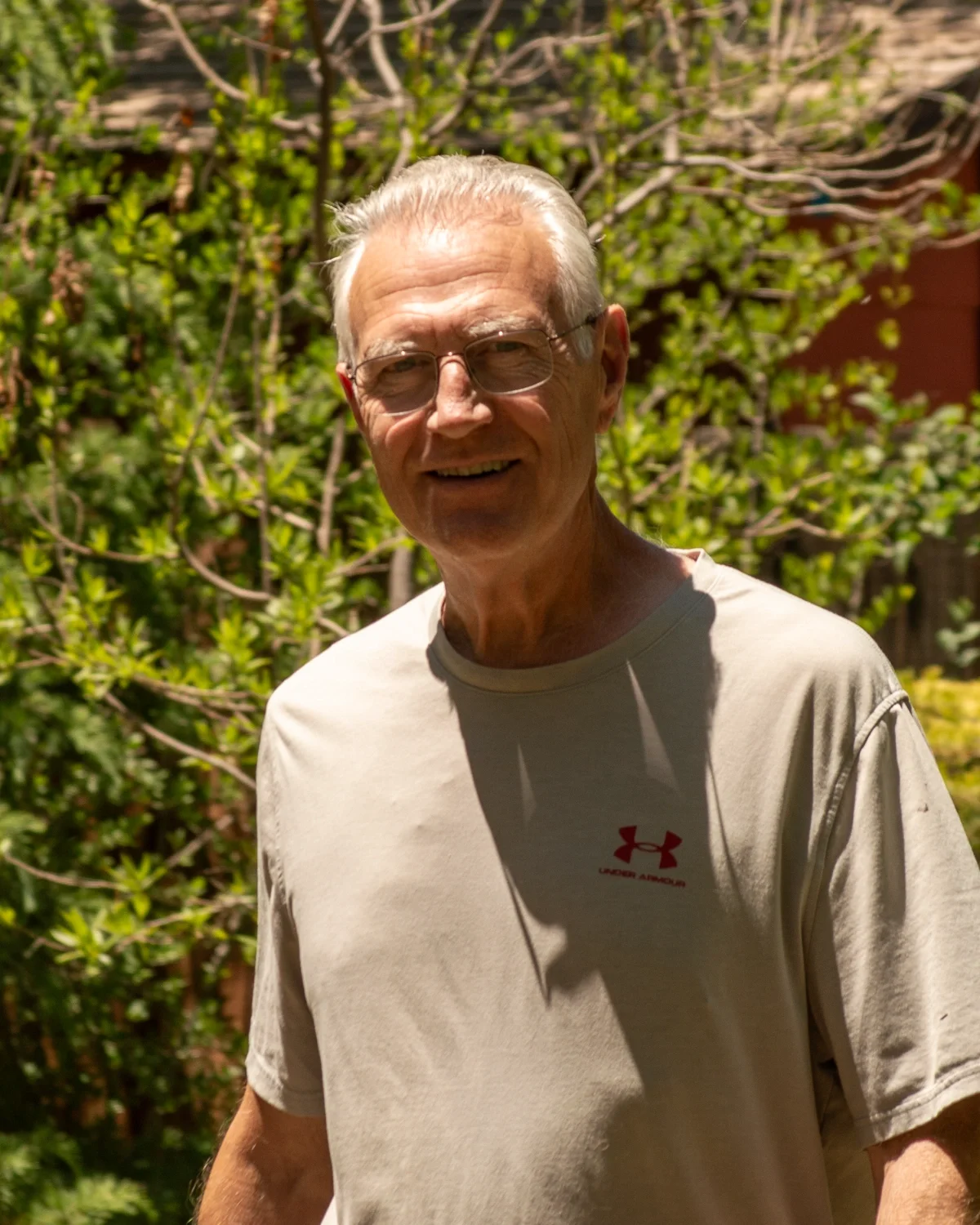
Dave Rueb
"I first met David when he stayed at our vacation rentals in October of 2023. We found him to be very friendly, outgoing and open about his situation with cancer, and his financial collapse. We became good friends during his multiple stays at our properties as he sold his possessions in storage.
As time went on and his situation worsened he would at times not have enough money for his medications or food. I would offer him money for food for him and his longtime companion Rupert the Goldendoodle, and he would insist on paying it back - which he did.
His resilience was extraordinasry. On top of the cancer itself, he suffered from extreme jawbone pain from necrosis due to a drug interaction, but never stopped working without as much as a day off.
He had to resort to living in one of our sheds for 3 months after he could no longer sustain himself, eventually stopping treatment and enroling in hospice. But he kept on working on this initiative. It was a great relief when one of the meals-on-wheels volunteers offered him a studio appartment for a while.
As grave as his situation was, he was always upbeat, and focussed on his purpose of making a difference for cancer patients and caregivers.
The only time I saw him down was when he lost Rupert to liver cancer. He has a fascinating life story, and I’ve never met anyone with more integrity than David."
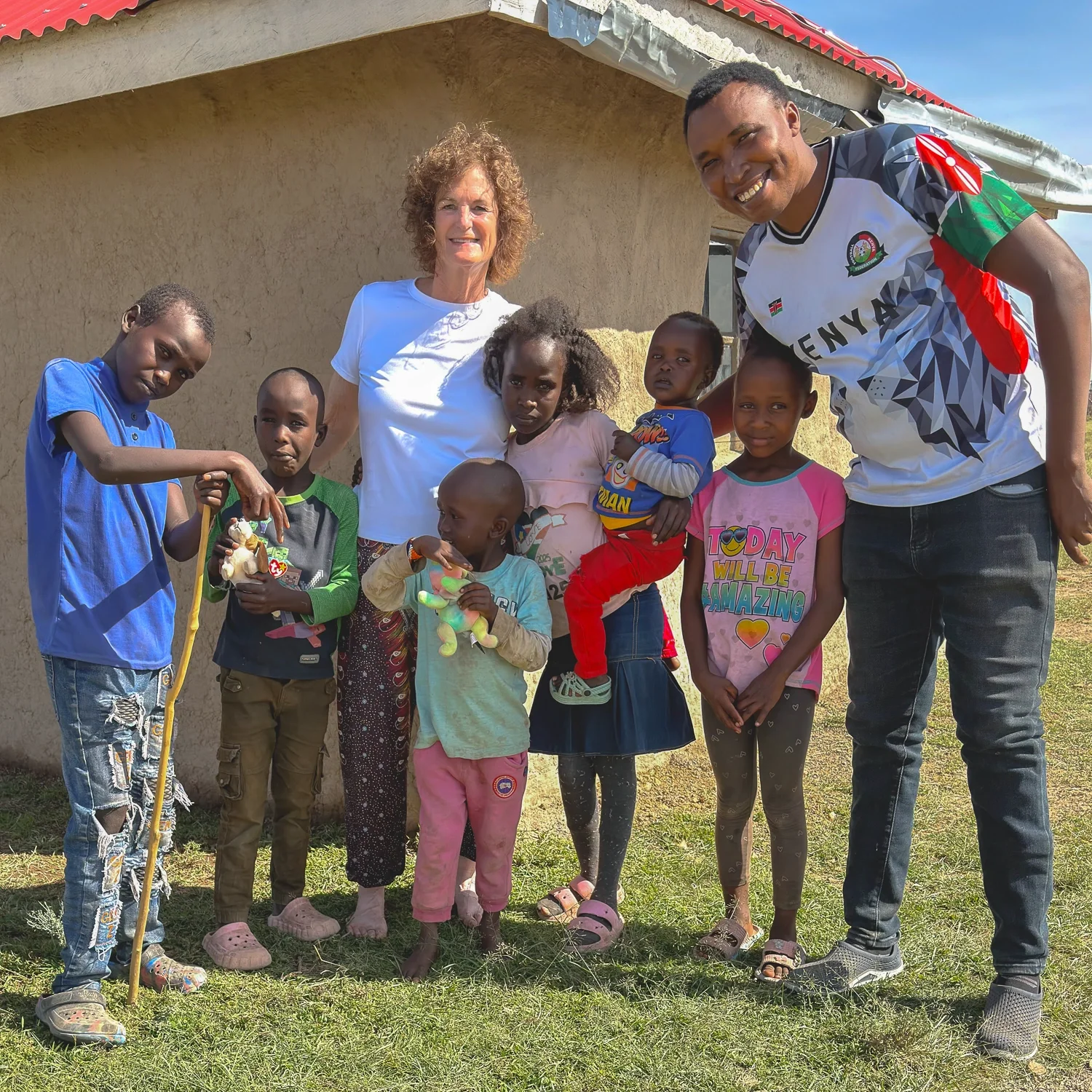
Shawn Greenleaf
"Meeting David, the summer of 2019, was not just a time of friendship to share our zest for adventure and photography but, more uniquely, to navigate a cancer diagnosis and continue to find passion and purpose in life.
David’s quest for his own legacy has continued to inspire me finding my life’s purpose in Africa after my own diagnosis a few years later. David’s strength to support others is inspiring.
His focus in bringing awareness and knowledge to cancer victims and survivors, has been tireless and profound. His work initiating and creating this portal is a guide for cancer patients, as well as an understanding and awareness for caregivers and medical personnel.
I am in awe of his consistent efforts bringing to the world a care hub of immense impact in understanding and navigating all major illnesses.
I am thankful for David’s wisdom and brilliance, as he continues on his own healing journey, supports me understanding mine and brings to the world his knowledge and insight in the carehub he has created."
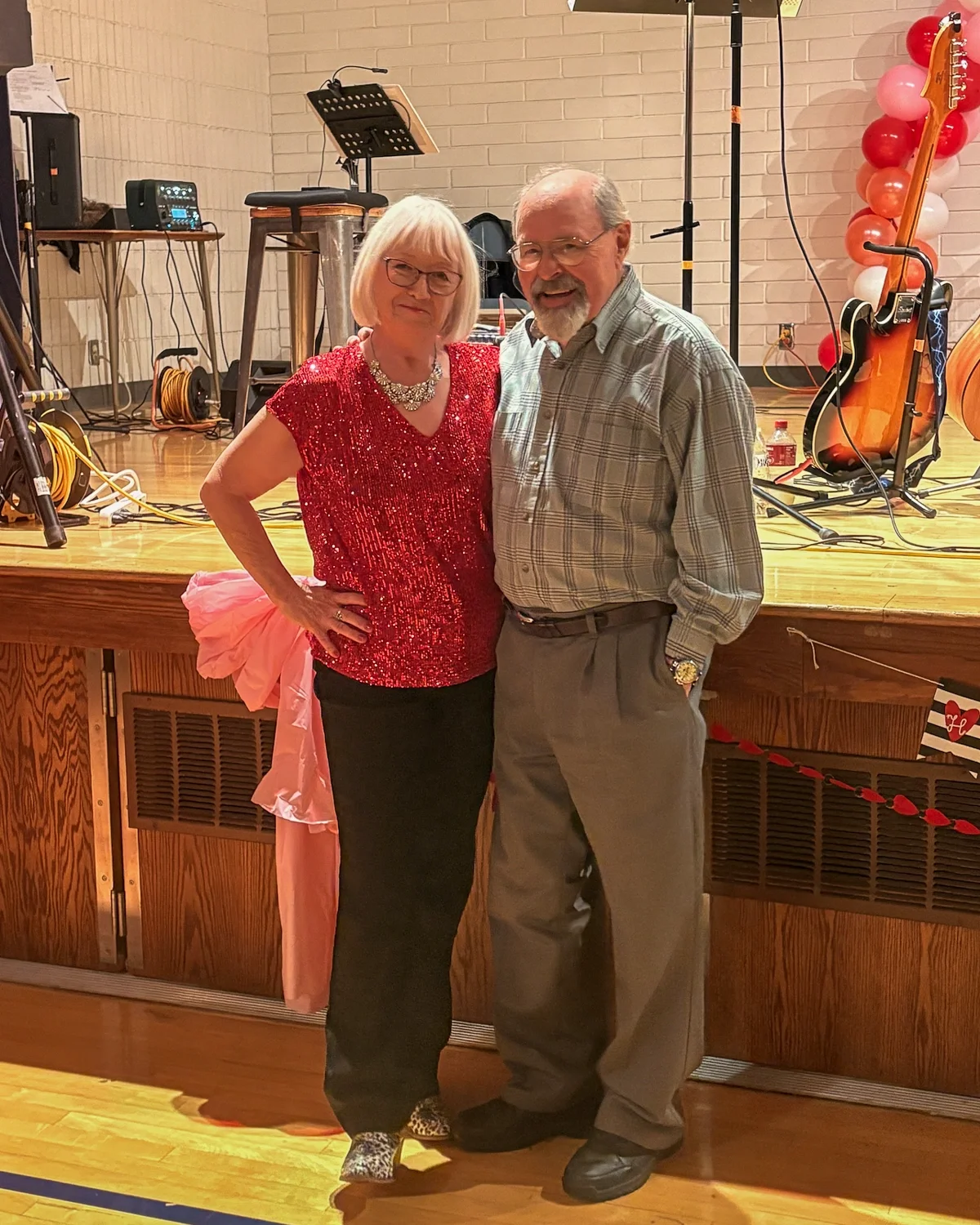
Nancy Kilmer
"I first met David in an Art and AI Twitter space 2 years ago, where he spent months listening, learning, and sharing his excitement about using technology to do something positive for society.
As I got to know him and heard his tragic story of falling from a comfortable life to living in a shed with his beloved dog Rupert, all while facing a painful terminal cancer diagnosis, I was moved to tears.
When David shared his idea of creating an app for cancer patients and caregivers, I immediately recognized him as a true visionary.
His ability to wade through complex problems, search for truth, and build practical solutions is unmatched.
He has now created an incredible ecosystem for people with chronic disease and their caregivers. After hearing about my own challenges caring for my husband with Alzheimer's, he studied the disease deeply to find solutions for that community too.
David leads with rare compassion, putting his own needs aside to help others, and I heartily endorse him as a true “Knight in Shining Armor” and advocate for those in need."