
Colorful Humor
The CareHub™ Palette System
The Care Gap
Color and CareHub™
Color is part of how a person experiences the room, the page, the wait, the information, and the emotional temperature of care itself. It is not decoration after the real work is done.
Color in CareHub™ is part of reducing pressure and helping people feel held through the room, the page, and the wait. Every palette on this page is judged against that standard: less strain, more steadiness, and a stronger sense that nobody is navigating care alone.
Part of that standard comes from something simpler and older than software: getting back in touch with the land at the start and end of the day, wherever you are. There is real science behind the physiological and mental-health benefits of daylight, vitamin D, circadian regulation, calmer breathing, and the meditative state that time in nature can bring. After my own hospitalization, the land around me, and my dog Rupert, became instrumental to my rehabilitation, my mental health, and my sense of purpose. That is part of the health equation too, and it belongs in how we think about color, atmosphere, and recovery.
Mental Health, Environment, And Care
Mental health is a central issue for people living with chronic disease and for the caregivers carrying the load beside them. Much of life inside a health platform is spent updating vitals calendars, reading worrying signals, waiting for results, recording symptoms, absorbing bad news, and returning day after day through isolation, uncertainty, fatigue, and fear. That is true for a child with a new diagnosis, for a parent or partner trying to hold the whole picture together, and for an older person in the final stretch of life where every hour can feel more emotionally charged than the last.
Lived Experience = Use Case
I spent three months staring at a blank wall in a cancer ward, and that experience changed me. It pushed me to bring color and light into every aspect of my own life and, consequently, into the lives of other people wherever I can. The mental-health benefit of better light, calmer surroundings, and more considered atmosphere is supported by proven science. That gives us a valid use case to incorporate it wherever it can reduce pressure and help people feel less trapped inside the hardest periods of their lives.
Our Palette
Named First
Every CareHub™ color has a name because every tone needs a job. What matters now is not the entire shelf of possibilities, but the smaller set of working families that have already been tuned into live themes.
Many of these names come from colors I remember from years of travel, landscapes, and cultures that stayed with me long after I left. If a place name catches your eye, it is worth looking up the photography. Discovery matters. Opening the mind to a wider world can help dull the pressure of chronic disease, both physical and mental, and remind people there is still beauty, curiosity, and life beyond the clinic.
Indigo
Indigo is the evening-harbour strip: deep water, disciplined horizon, and a pale wash of guidance light laid over darker architecture. It is the theme that feels most like composure arriving before words do.
Kalamata
Kalamata carries grove shade and late-afternoon stone: olive leaves, softened borders, and warmer signals that glow out of the green rather than sitting on top of it. It is the most Mediterranean of the working families, grounded yet quietly hospitable.
Mara
Mara is the long-evening neutral strip: dust in the air, muted grass, and a softer western light settling everything into a steadier register. Its cooler blue notes keep the softness credible instead of sleepy.
Sikri
Sikri now sits in the blue family: a dusk-violet court cooled by shadow, with enough stone and restraint to keep the mood reflective rather than romantic. It feels like painted walls just after sunset, when the air turns gentler and the edges go quiet.
Carry-Through Defaults
These are the constants that travel across every live theme: the softened reading white, the house accent, the utility blue, and the sharper human-alert note.
The CareHub brand accent used in the wordmark box and heading system.
The softened reading white that keeps long-form pages from glaring.
The utility blue for small guidance cues, links, and quiet structural emphasis.
The sparing warning note used when a signal needs a firmer human edge.
Background Vibes
Why Background Vibes Matter
These backgrounds are there to give the product atmosphere, relief, and a reason to exhale. They also keep the system people-first by opening the door to monthly community background competitions, where users can contribute an image, share the story behind it, and receive commemorative recognition when that work becomes part of the wider CareHub™ experience.
Landscapes And Places
These are the calmer environment-led backgrounds: a mix of air, horizon, dusk, coast, and elemental quiet.

Salt air, horizon, and quiet movement for a lower-pressure daytime mood.

Coastal leisure with enough polish to feel restorative rather than flashy.

Soft dusk celebration with warmth, company, and a little emotional lift.

Deep greens and filtered light for steadiness, privacy, and slow attention.

Elemental blue calm for pages that need space, breath, and visual quiet.
Drawn And Storybook
These are the more expressive mood boards: editorial, illustrated, cinematic, and slightly magical without losing tonal discipline.
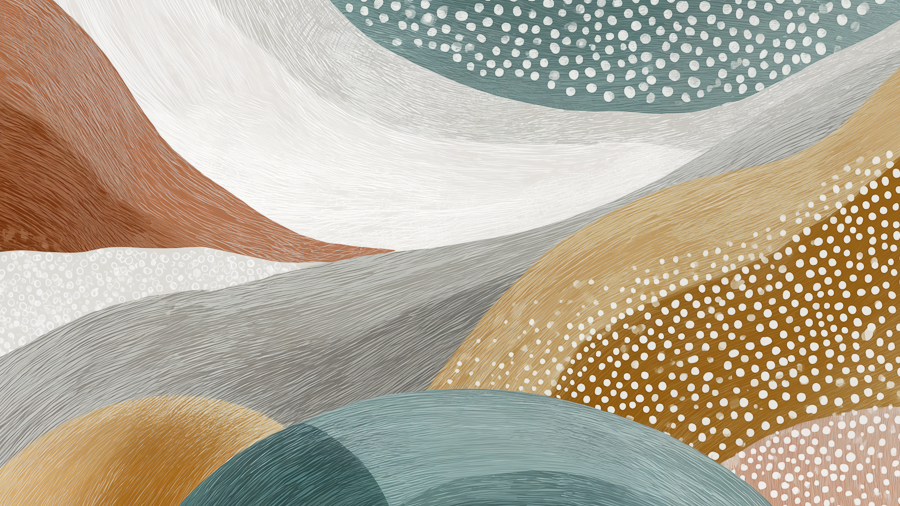
A softer visionary palette with atmosphere first and realism second.

Clean color blocking and animated warmth for a brighter, youthful register.

Illustrated nostalgia with enough order to feel friendly rather than chaotic.

Graphic contrast and stylized energy, kept contained inside the same calm frame.

Painterly drama with warmth and character rather than clinical distance.
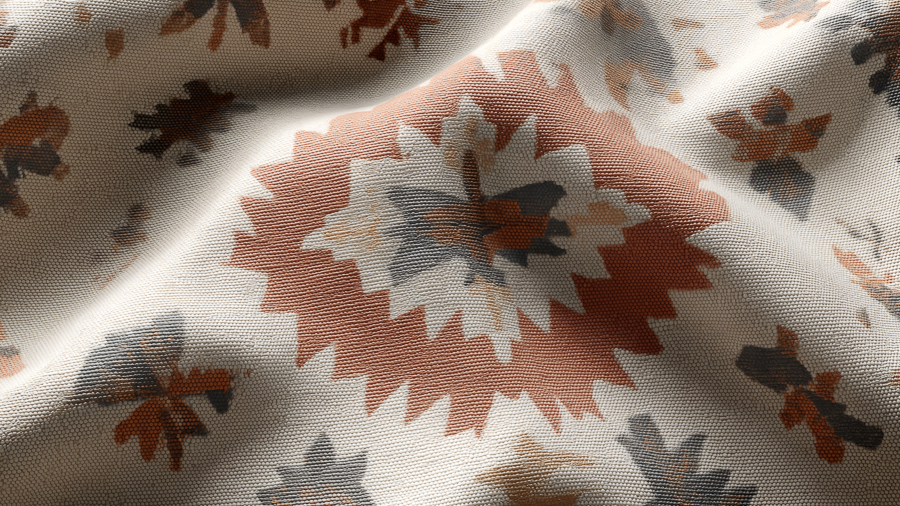
Earth-rich pattern language that adds gravity, craft, and warmth.

A cinematic night lane with depth, softness, and less visual glare.
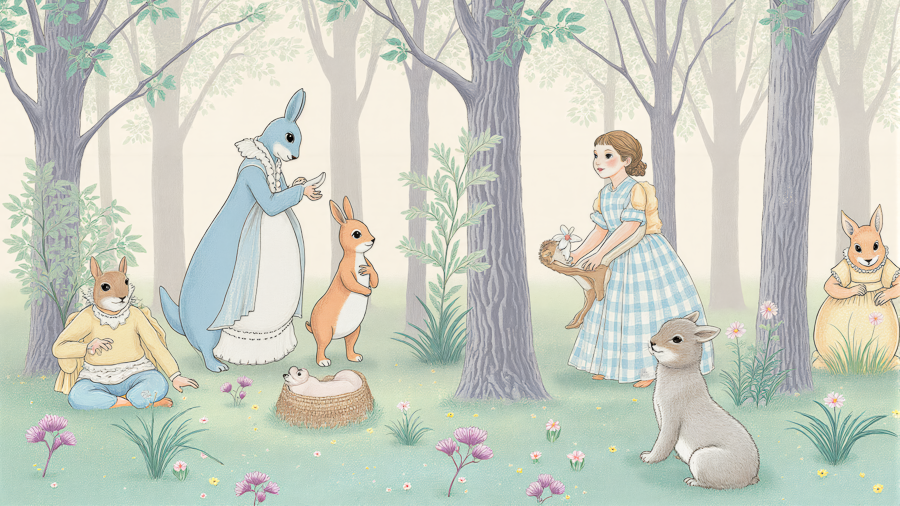
The most playful of the set, but still anchored by a coherent palette mood.
Animals And Companions
The AI-animal scenes give the system permission to smile. They lower formality without turning the product into a joke.

Companion energy with storybook softness and a gentler emotional temperature.

A loyal-character mood board that feels steady, familiar, and humane.

Warm companionship and a hint of humor without breaking the overall calm.
Be Merry
Reasons To Smile Matter
People living with chronic disease, and the families carrying that load beside them, do not need relentless solemnity from every screen they touch. Mental health is central to the whole project, and sometimes the most humane thing a product can do is give somebody a brief reason to smile, exhale, or feel less alone. That is what the Be Merry artwork is for.
These images come from the same modal illustration set used inside the wider product. They are deliberately playful, but the intent is serious: warmth, recognition, and emotional oxygen in a system that otherwise deals with symptoms, logistics, uncertainty, and fear.

Beer Orangutan
A deliberately absurd social cue that says delight still belongs in a serious care environment.

Light Beer Chipmunk
Lighter, cheekier, and intentionally unserious in the best way.

Wine Cow
A soft surreal note for evenings, companionship, and small rituals that make life feel normal again.

Spirits Sloth
Slow energy, low pressure, and permission not to perform wellness perfection.

Cocktail Cat
Playful polish for moments that need some style without any extra stress.

Smoking Doodle
An intentionally sketchy character that captures coping, imperfection, and real life as it is.

Cannabis Raccoon
Designed to feel mischievous rather than moralistic, because people deserve to be seen honestly.
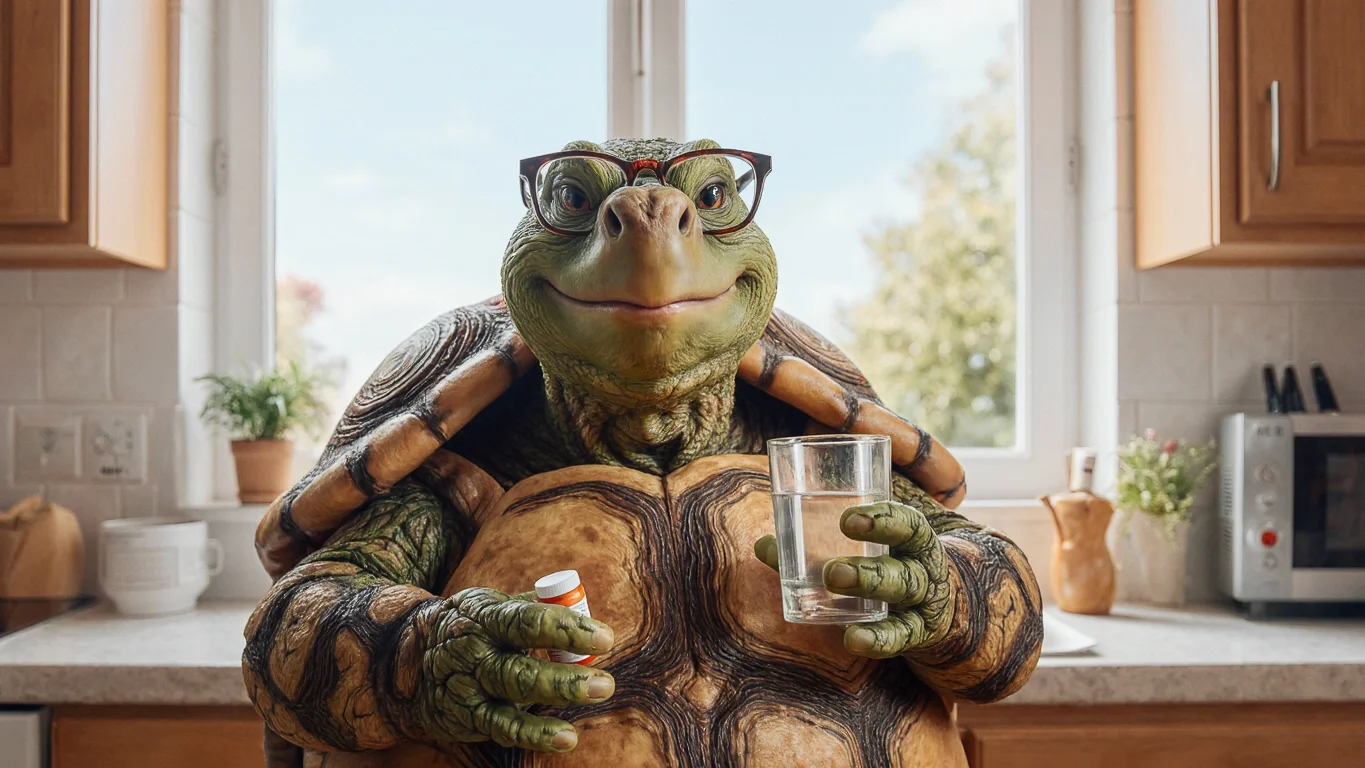
Pills Tortoise
A slower, gentler visual metaphor for the medication routines many people live with every day.
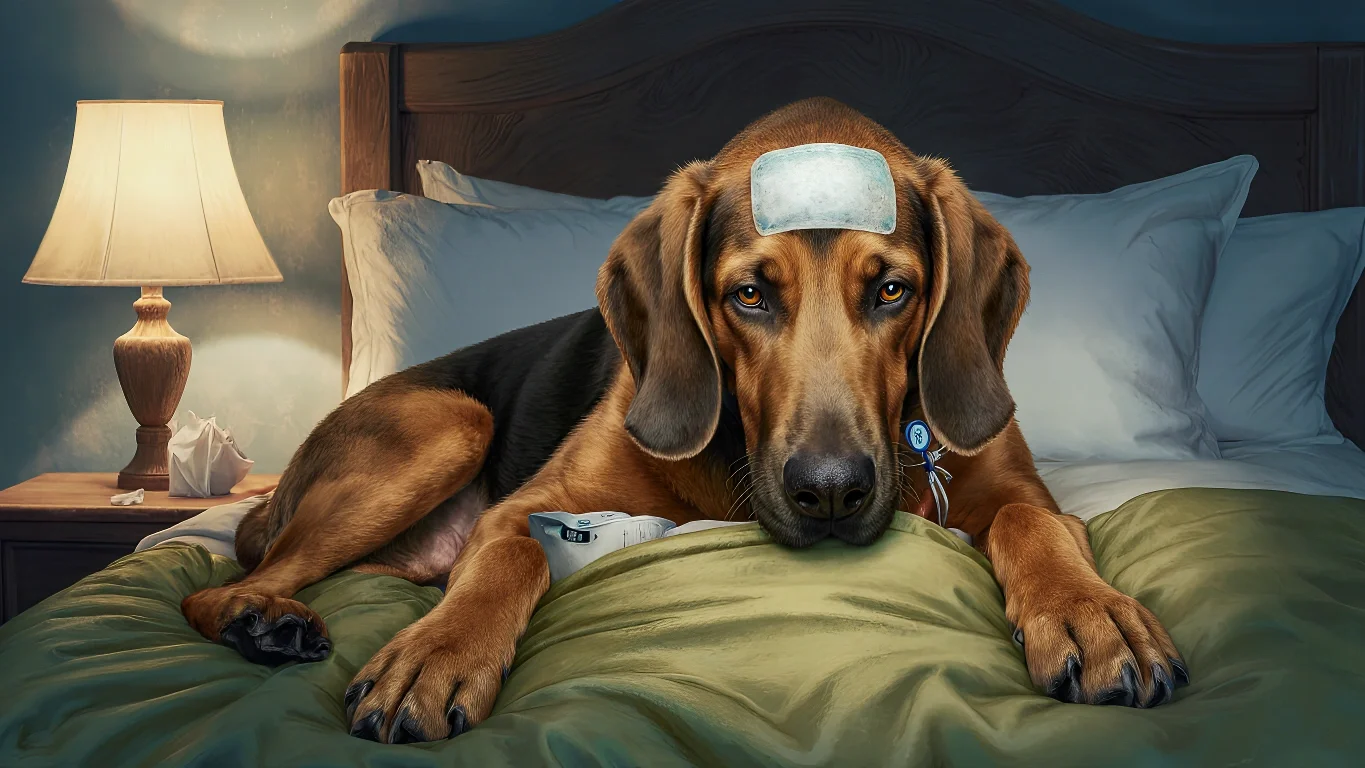
Sick As A Dog
Gallows humor, used carefully, can make hard states feel more speakable.

Meh Frog
Because sometimes the most accurate status update is simply meh.

Elated Chimps
A reminder that downtime, friendship, and silliness are not trivial extras.
Color Theory
Community Collaboration
I want the system to stay people-first and interesting, not sealed off behind my own preferences. That is why we invite the CareHub™ community to participate in monthly background competitions for global integration inside the app.
People can contribute an image, tell the personal story behind it, receive tokens in the CareHub™ ecosystem, and a commemorative NFT of their journey in recognition of that contribution.
Wellbeing is something we design with the communities we serve.
Evidence And Design Approach
That is why our process starts by removing personal preference as much as possible. We study the science first. The evidence does not support mystical claims that a branded hue heals on its own, and I do not want CareHub™ making lazy wellness promises. What the evidence does support is more practical and more useful: light exposure can influence circadian timing, melatonin, alertness, wakefulness, and some mood outcomes,6, 7, 10 while changes in color, light, and surrounding environmental cues can alter how calm, comfortable, and safe a space feels.1, 2 That is enough to take the design problem seriously without drifting into nonsense.8
So the objective is not to invent a fantasy around color. The objective is to create palettes, typography, contrast relationships, and atmosphere that help people stay present, oriented, and emotionally supported for long periods of use. In practical terms, softer palettes can reduce visual pressure during reading and logging tasks, cooler structured darks can reinforce trust and order, and warmer accents can introduce humanity when the product needs to reassure, welcome, or encourage action.1, 9
Design Targets
- Comfort over spectacle: the interface should lower pressure, not perform for attention.
- Trust through atmosphere: the visual shell should feel stable, credible, and emotionally intelligent.
- Long-duration use: many people will spend not minutes but months inside these surfaces.
- Inclusive emotional range: the system must work for children, adults, elders, patients, carers, and grieving families.
Palette Structure
From a distance, a good theme should read more like a painted sky than a checklist of swatches. The eye should register one atmosphere first, then a bridge tone, then just a few deliberate highlights and signal colors. That is how we keep the page immersive rather than noisy.
- Dominant field: the main emotional weather, calm enough to hold attention without shouting.
- Mids: adjacent tones that create depth so the interface feels painted rather than striped.
- Highlights: lighter tones that add air, relief, and legibility.
- Signals: more deliberate accents used sparingly so they retain meaning.
Citations
Research And Practice References
These sources support a narrower, more defensible framing: light can influence circadian timing, alertness, sleep, and some mood outcomes, while environment-design research suggests that color-and-light changes can alter stress, comfort, and perceived safety. Institutional guidance is included to keep the page aligned with real-world care standards rather than wellness folklore.
- Gray WA, et al. 2012. Using clinical simulation centers to test design interventions: a pilot study of lighting and color modifications. HERD. Nurses reported less stress after exposure to an experimental room with modified lighting and color conditions than after exposure to the control room. PMID: 23002568. PubMed
- Bukh G, et al. 2015. Impact of healthcare design on patients' perception of a rheumatology outpatient infusion room: an interventional pilot study. Clinical Rheumatology. After modifications including room colours and atmosphere, patient ratings of comfort, safety, and overall room perception improved significantly. PMID: 24705819. PubMed
- Rutten S, et al. 2019. Bright light therapy for depression in Parkinson disease: A randomized controlled trial. Neurology. The trial found bright light therapy was not superior to control light for reducing depressive symptoms, although subjective sleep quality improved more in the bright-light group. PMID: 30770426. PubMed
- LaRosa KN, et al. 2022. Light Therapy for QoL/Depression in AYA With Cancer: A Randomized Trial. Journal of Pediatric Psychology. In adolescents and young adults receiving cancer-directed therapy, bright white light improved several quality-of-life and self-reported depression measures versus dim red light control. PMID: 34625800. PubMed
- Shechter A, et al. 2018. Blocking nocturnal blue light for insomnia: A randomized controlled trial. Journal of Psychiatric Research. Wearing amber blue-light-blocking lenses before bedtime improved several subjective sleep measures over a one-week crossover trial. PMID: 29101797. PubMed
- Brainard GC, et al. 2001. Action spectrum for melatonin regulation in humans: evidence for a novel circadian photoreceptor. Journal of Neuroscience. Human nighttime exposure testing identified the 446-477 nm range as especially potent for melatonin suppression, showing that light affects circadian regulation through more than ordinary visual perception. PMID: 11487664. PubMed
- Chang AM, et al. 2015. Evening use of light-emitting eReaders negatively affects sleep, circadian timing, and next-morning alertness. PNAS. Compared with printed books, evening exposure to a light-emitting eReader delayed circadian timing, suppressed melatonin, reduced sleepiness, and lowered next-morning alertness. PMID: 25535358. PubMed
- NICE. 2022, reviewed 2026. Depression in adults: treatment and management (NG222). UK guidance emphasizing evidence-based, individualized treatment decisions rather than one-size-fits-all claims. Useful here as a guardrail: design language should not outrun the clinical evidence base. NICE
- Australian Commission on Safety and Quality in Health Care. Partnering with Consumers Standard. Australian safety standard emphasizing that healthcare services should be designed and evaluated with consumers, and that communication and environment design support safe, person-centred care. ACSQHC
- Inserm Press. Horloges biologiques : vers une chronomedecine ? French institutional publication trail highlighting biological clocks and chronomedicine as an active research area. Included here as French context for the circadian layer rather than as a direct treatment study. Inserm Press